
| ⬅️ Previous | 🇬🇷 Greece | Next ➡️ |
🇬🇷 Episode 9 — Athens: our visits from the Acropolis to Lycabettus
27 October – 6 November 2023
Athens, Greece
Episode 9 of 10
In this article
An early start, the metro, then the climb to the Parthenon before the crowds: in Athens, we quickly found our big-city rhythm again.

We arrived after Delphi for the final three nights of the trip. The capital brings a different atmosphere: ancient monuments within a large city, lively neighbourhoods and long walks between sites.
We kept the car until departure, but explored the centre on foot and by metro.
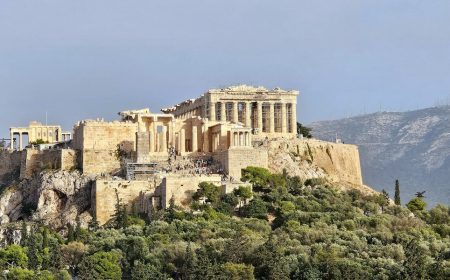
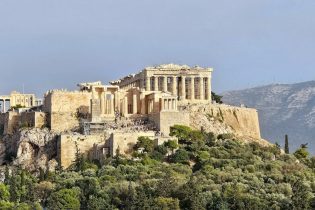
The Acropolis early in the morning
We visited the Acropolis early, hoping to avoid the biggest crowds.
Even in early November, plenty of people were already there. It did not spoil the visit, but do not expect an empty site at this time of year.


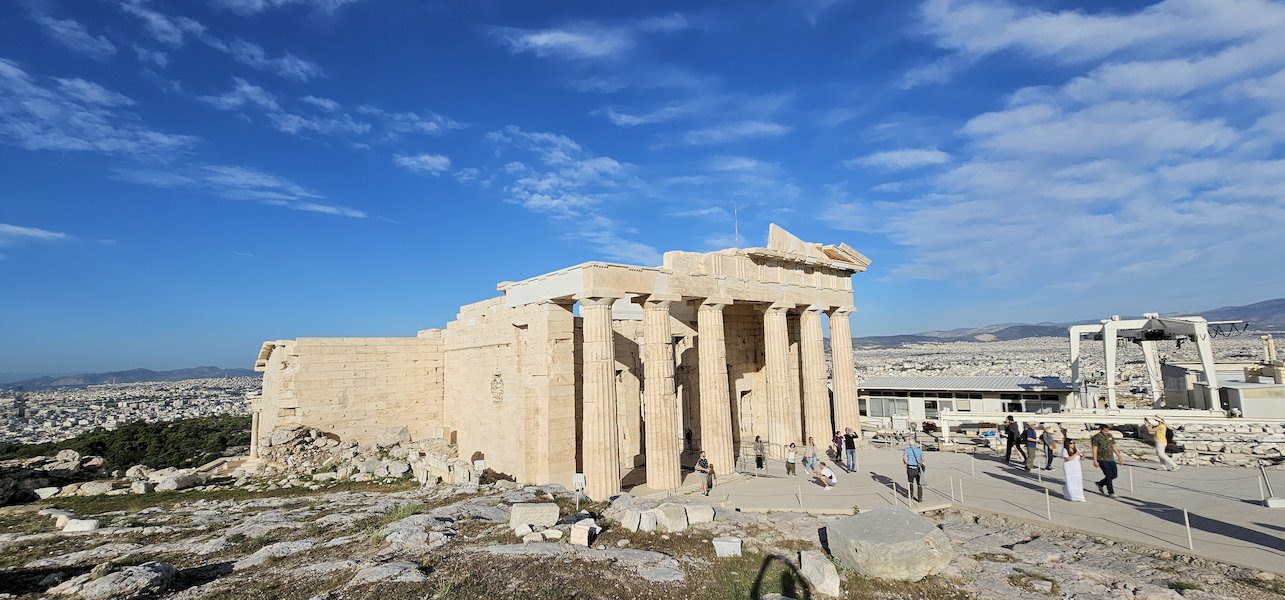


The Parthenon naturally dominates, but look at the other buildings too, especially the Erechtheion and its Caryatid porch. The statues on the monument are copies: five originals are in the Acropolis Museum and the sixth is in London’s British Museum.

The Acropolis helps you understand Athens: you locate neighbourhoods, hills and landmarks that you later recognise from the streets.


Practical information: Acropoli metro station, on line 2, is nearby. Timed entry is often booked online; check current rules and prices before visiting.
The Ancient Agora
The Ancient Agora played a part in the city’s public, political, commercial and religious life. Walking through it helps you imagine a former civic centre. The reconstructed Stoa of Attalos illustrates the long covered galleries that bordered some spaces.

We continued to the Ancient Agora, taking time to explore its remains and open spaces.


The Temple of Hephaestus is a major landmark, one of Greece’s best-preserved Doric temples. The Stoa of Attalos offers another perspective with its long colonnades.
We enjoyed the walking as much as the ruins. It deserves more than a few photographs from the entrance.
The Roman Agora and Hadrian’s Library
The word “library” should not suggest a simple room of books: the complex was arranged around a large courtyard. Its columns and walls make more sense when seen as parts of that larger whole.


We also visited the Roman Agora and Tower of the Winds, then Hadrian’s Library.
The octagonal Tower of the Winds served as a clock and wind vane. Hadrian’s Library dates from the second century AD.
These sites reveal different periods of Athens’s history. Their central locations make it easy to combine walks and visits. Appreciate each place on its own terms rather than comparing everything with the Acropolis.
The Temple of Olympian Zeus
We entered the Temple of Olympian Zeus site.

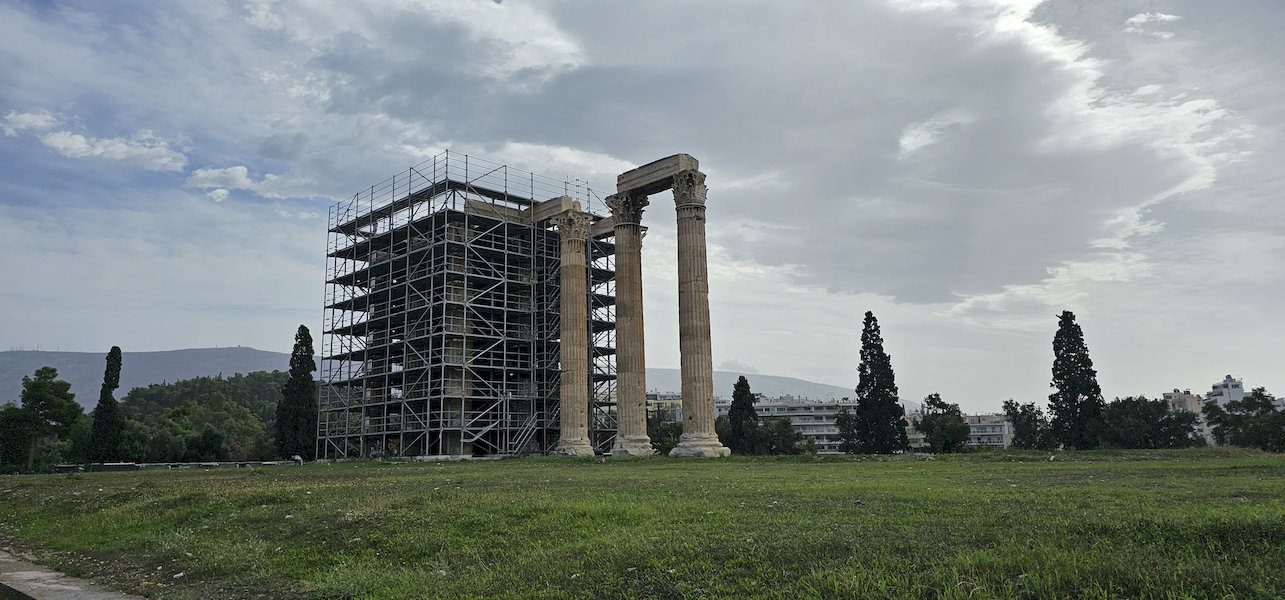


Restoration work hid some columns during our visit, but the scale remained impressive. Around fifteen columns still stand from an original total of more than a hundred.
We also walked past other central monuments, some seen only from outside or from viewpoints. We viewed the Panathenaic Stadium from a distance without entering. It was rebuilt in marble for the first modern Olympic Games in 1896.
Walking through Athens’s neighbourhoods
Plaka brings narrow lanes below the Acropolis. Monastiraki combines shops, a lively square and nearby ruins. Syntagma opens out into a large central square. Walking these neighbourhoods connects historical Athens with the living city.


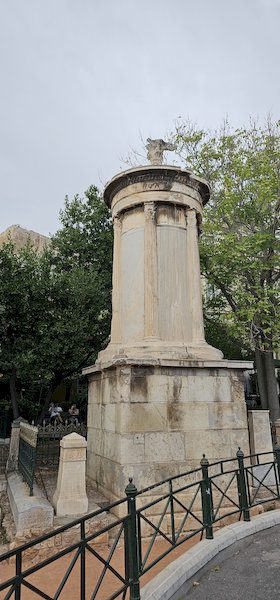

Between sites, we explored the central neighbourhoods and squares: Plaka, Monastiraki and Syntagma.
We also looked for restaurants away from the most obvious addresses near major monuments, which led us into different streets and atmospheres.
Ama Lachei and Seychelles in Metaxourgeio were among the restaurants we tried during this stay.
Sunset on Lycabettus
We went up Lycabettus to end the day with the panorama.
The hill reaches around 277 metres and offers a wide view over Athens. From the summit, the contrast between dense urban development and the monuments standing above it is striking.


Walking up takes effort; a funicular is another option.
We watched the sun descend and the light change over the neighbourhoods. It remains one of our favourite evening memories from Athens.
Our accommodation and getting around
We booked LUX&EASY Athens Downtown Residences, with a terrace and private hot tub, for around US$132 a night.

The working-class neighbourhood surprised us on arrival, but our accommodation had private parking, so we left the car there and took the metro into the centre.


This arrangement worked well for sightseeing while letting us keep the car for Cape Sounion.
An extra visit: the Acropolis Museum
We did not visit the Acropolis Museum because we ran out of time.
You could add it to learn more about the rock and the works associated with it.
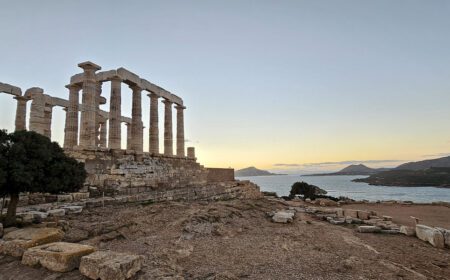
To complement your time in the capital, explore our sunset excursion to Cape Sounion and the Temple of Poseidon.
Map: mainland Greece
Find our sightseeing stops, accommodation and restaurants. Suggested places we did not visit are marked separately on the map.
Episodes from our trip to Greece
- Full itinerary — Greece in 11 days: Santorini, Meteora, Delphi and Athens
- 🇬🇷 Episode 1 — Oia and Ammoudi: our first steps in Santorini
- 🇬🇷 Episode 2 — Imerovigli and Skaros: our favourite views in Santorini
- 🇬🇷 Episode 3 — Pyrgos, Emporio and Megalochori: Santorini’s villages
- 🇬🇷 Episode 4 — Southern Santorini: Zoodochos Pigi, Perissa and Red Beach
- 🇬🇷 Episode 5 — Santorini boat trip: volcano, hot springs and Thirassia
- 🇬🇷 Episode 6 — Santorini sunsets: our viewpoints and favourite restaurants
- 🇬🇷 Episode 7 — Meteora in two days: monasteries, viewpoints and a walk
- 🇬🇷 Episode 8 — Visiting Delphi: Apollo’s sanctuary, museum and Athena Pronaia
- 🇬🇷 Episode 9 — Athens: our visits from the Acropolis to Lycabettus
- 🇬🇷 Episode 10 — Cape Sounion at sunset: the Temple of Poseidon
| ⬅️ Previous | 🇬🇷 Greece | Next ➡️ |
Planning your visit
Official Athens guide · Acropolis Museum.
Currency note: prices were paid in euros. US dollar amounts use an illustrative conversion of €1 = US$1.10 for readability; this is neither a live rate nor the rate applied to our 2023 payments.