
HOW WE TRAVEL
How we plan our trips
For us, a trip starts long before we board the plane.
We do a lot of preparation in advance to save time on the ground, but never so much that the trip becomes a programme that cannot be changed.
OUR PHILOSOPHY
Plan enough to enjoy the trip, without planning so much that there is no room left for surprise.
Preparation gives us direction. Once there, the weather, an encounter, a recommendation or simply the desire to stay longer somewhere can easily change the plan.
THE MAIN STEPS
From the first idea to departure
Every trip is different, but our method usually follows the same thread.
Destination, season and realistic duration.
Identify places and distances.
Roads, hotels and activities.
Flights, budget and safety.
Keep genuine freedom on the ground.
01 • DESTINATION & SEASON
Choosing the right time can completely change a trip
A destination can feel very different depending on the season. Temperatures, rainfall, daylight hours, road conditions, vegetation, visitor numbers or wildlife can all change the experience.
- Typical weather for the period.
- Sunrise and sunset times.
- Seasonal constraints on activities.
- Distances between the main stops.
- The time actually available.
02 • MAPPING THE TRIP
Google Maps first, Excel next
We first place the locations that interest us on Google Maps to understand the distances, identify natural clusters and check whether some ideas are realistic.
Position
Destination
Planned activities
Kilometres
Driving time
03 • BUILDING THE ROAD TRIP
Go far first, then work back in stages
On some road trips, we prefer to make one long drive at the start to reach the furthest area, then gradually work our way back towards the starting point with shorter stages.
In Australia, for example, we split a very long transfer over two days. Depending on the trip and rental company, this approach can also avoid some one-way vehicle fees.
04 • CHOOSING ACCOMMODATION
A hotel is not just somewhere to sleep
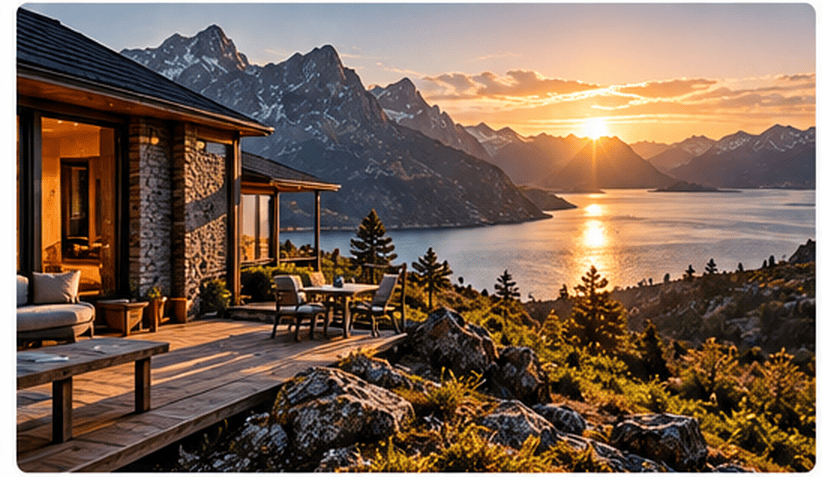
The location of an accommodation can change the whole day. For a sunrise, an early hike or simply to avoid driving after dark, we sometimes prioritise location over a more spectacular hotel.
Recent feedback and recurring points.
Close to visits and departure points.
Arrival times and surroundings.
Breakfast, parking and simplicity.
05 • BUDGET
Save where it does not spoil the trip
Our aim is not necessarily to travel as cheaply as possible, but to avoid unnecessary spending so we can keep more budget for the experiences that really matter.
We use Joko when the current offers allow us to earn cashback on certain purchases or bookings.
Code: yjnzhj
We also use Fortuneo. As offers and conditions can change, we prefer to let you check the current terms directly with the service.
Code: 13491857
Offers, benefits and eligibility conditions can change. Always check the current terms directly with the relevant service.
06 • OUR DAILY RHYTHM
Fairly active days
We are not really travellers who spend the day doing nothing. We like making the most of the first and last hours of the day, especially when light or wildlife matter.
Early start when it is worth it, then a proper breakfast.
Often a light lunch to keep time for exploring.
A proper dinner and time to enjoy the evening.
07 • FLIGHTS
We do not only look at the nearest airport
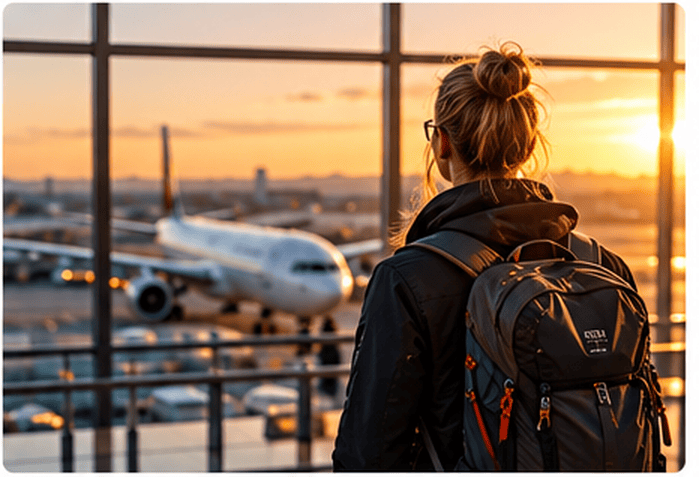
Depending on the destination, we compare several departure airports in France and sometimes in Switzerland or Spain if the saving is genuinely worthwhile. We have, for example, had good experiences departing from Basel-Mulhouse.
We still prefer to keep a sensible margin around connections and journeys to the airport rather than build savings around an overly tight schedule.
08 • GEAR
Plan what we want to bring back from the trip too
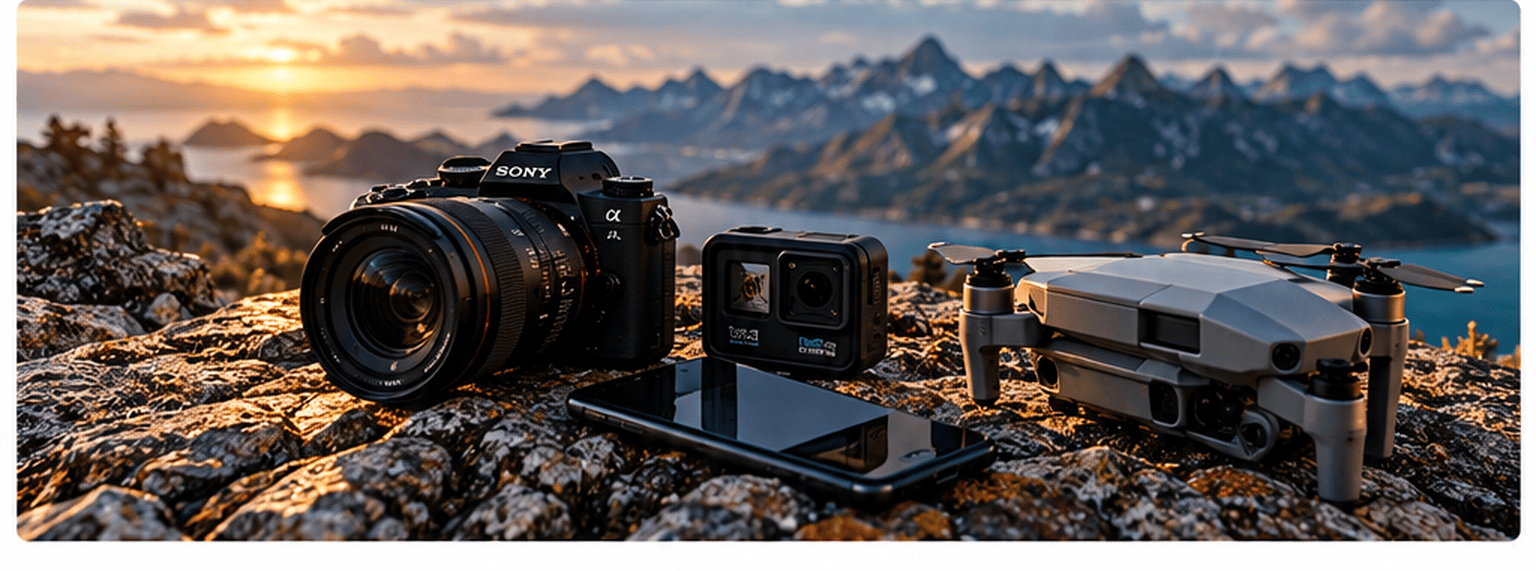
Photography, video, drone or action camera: we choose the gear according to the destination and the activities planned. The aim is no longer to carry as much as possible, but to actually use what we bring.
THE MOST IMPORTANT PART
Plan a lot… so we can improvise
Good preparation means we know the distances, the constraints, the important bookings and the options available to us. It never means following the programme blindly.
The plan gives us direction.
The journey always gets the final say.